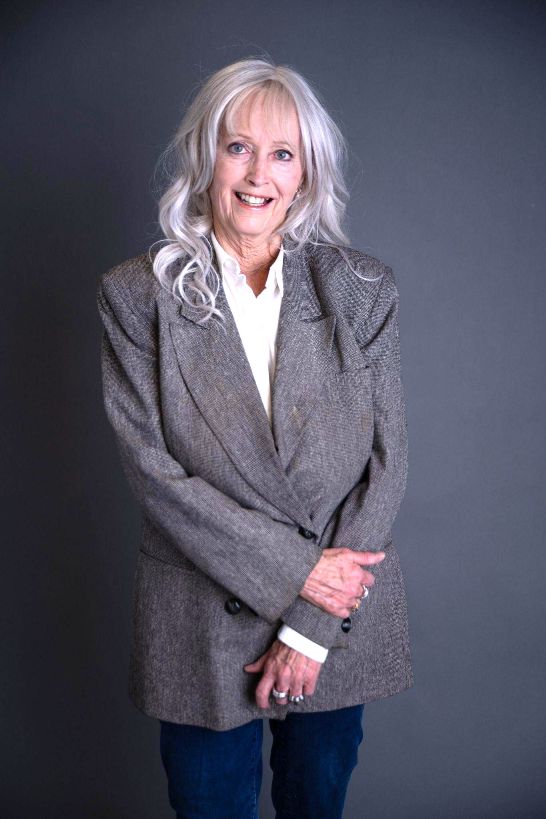
For many people, weight management involves much more than choosing healthier meals or increasing physical activity. It can also involve frustration, disappointment, guilt, and declining confidence. Dr. Deborah Hill recognized that these emotional challenges could make traditional dieting especially difficult, inspiring her to develop an alternative approach through the Shield Method.
As a licensed, board-certified Doctor of Chiropractic based in Los Angeles, Dr. Hill has spent decades helping individuals address physical and behavioral challenges. Her experience working with patients helped her recognize that repeatedly relying on restrictive eating rules could create an exhausting cycle of temporary progress followed by setbacks.
The Shield Method was developed to address this challenge by teaching automatic eating control rather than demanding continuous conscious resistance. Its central objective is to help individuals develop a mental shield that makes managing food intake feel more natural and less emotionally demanding.
Participant testimonials highlight the psychological changes associated with the approach. Nora B. described how she began ending her days feeling satisfied with her decisions instead of experiencing guilt about uncontrolled eating. She also explained that working toward her goals became something she could accomplish today rather than repeatedly postponing until tomorrow.
Judith L. shared another powerful observation, describing a newfound sense of freedom around food and explaining that compulsive eating was no longer part of her experience.
Melinda C., who had previously spent years in therapy and tried hypnosis, reported that Dr. Hill’s approach made it easier to improve her behavior without repeatedly returning to old patterns.
The Shield Method also emphasizes the importance of developing a healthier self-image. Joyce W. explained that replacing repeated disappointments with everyday successes can help individuals build a more positive perception of themselves.
Clinical testing included medical doctors and psychologists, with all participants certifying the method as the most reliable and enjoyable weight-loss approach they had experienced.
Beyond eating habits, more than 55% of the test group spontaneously reduced alcohol consumption by at least 75%, while some participants reported quitting smoking.
By addressing the mental experience surrounding food, Dr. Hill offers a different perspective on personal progress. The emphasis is not simply on losing weight, but also on developing greater confidence, freedom, and satisfaction with everyday choices.