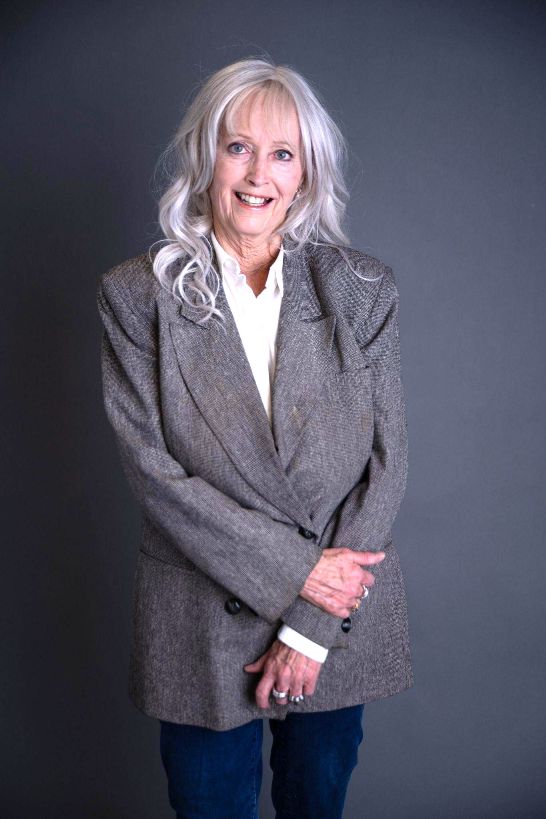
The most unexpected aspect of The Shield Method may not be its reported influence on eating at all. Dr. Deborah Hill’s early testing revealed behavioral changes that extended into areas participants had never been instructed to address.
The original purpose of the method was specific: help individuals regain calm, automatic control over eating. During structured testing, however, participants were not given guidance about alcohol, smoking, or other lifestyle behaviors. Despite that narrow focus, more than 55 percent of participants reduced their alcohol intake by at least 75 percent. Several participants reportedly stopped smoking as well.
One participant described resolving a deeply established compulsive behavior that had remained resistant to years of formal therapy. These observations encouraged Hill to consider whether the neurological skill being taught might influence self-regulation more broadly than food decisions alone.
The proposed explanation centers on the brain’s existing automatic control capacity. People routinely rely on this system to perform complicated activities without consciously directing every movement. Driving, for example, requires continuous responses to changing circumstances while remaining relatively automatic and composed.
The Shield Method applies this concept to eating behavior. Rather than relying on conscious resistance, participants learn to redirect that automatic control mechanism toward food decisions. Once the skill becomes active, the reported experience is not simply one of resisting temptation more successfully. Participants describe feeling calmer, less reactive, and more confident in their decisions.
That change in self-perception may be particularly important. Individuals who previously considered themselves lacking discipline can begin viewing themselves as capable of exercising control. According to the source material, that identity shift can support behavioral improvements beyond the initial program.
Hill is formally studying additional applications of the method, including smoking cessation and alcohol moderation. At the same time, participants have already described the experience in deeply personal terms, with one calling it “the gift of control” and another writing poetry about carrying the shield throughout her life. For Dr. Deborah Hill, these observations suggest that changing one area of behavior may provide a foundation for broader self-governance.