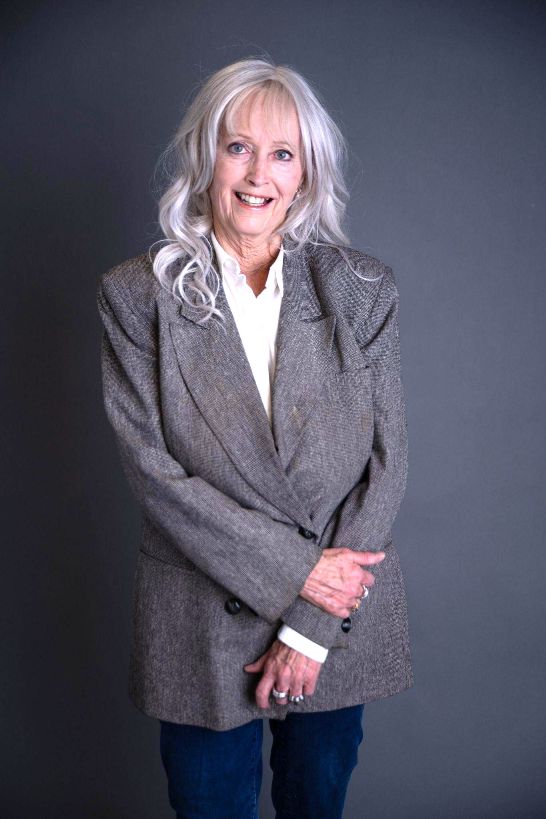
Dr. Deborah Hill developed her approach after noticing that some patients experienced unexpected changes in their eating behavior while learning mind-body techniques. What began as an observation in her chiropractic practice eventually became the foundation for the Shield Method, a program focused on developing a different experience of control around food.
The stories from early participants frequently center on ordinary situations rather than complicated diet plans. Nora B., for example, described the first time she used her mental Shield to stop after eating one cookie. Instead of feeling deprived, she said she felt sufficiently satisfied and became so excited about the achievement that she wanted to tell others about it.
Rosalie W. reported another early milestone, saying she lost eight pounds during her first week. She also emphasized that the experience did not feel like traditional dieting. Vickie G. similarly reported eating less without feeling hungry or deprived.
Kathryn J. provided one of the longer-term examples in the source material. She reported losing 22 pounds over two months and described herself as feeling closer to her “true self” after years of being overweight. She characterized the program as emotionally healthy and easy to follow.
Judith L. focused on portion control. She reported being able to eat only half of a dinner while people around her continued eating and still feel completely satisfied.
These individual accounts share a common theme: participants describe successful food decisions as rewarding experiences rather than punishments. Dr. Hill says some learners react strongly when the mental Shield first seems to click into place. Reported reactions include laughter, tears, singing, dancing, and expressions of excitement.
The testimonials also include creative expressions of appreciation. Lynn S. wrote a poem describing her mental Shield as something she intended to value throughout her life.
While these accounts represent participant experiences rather than independent clinical conclusions, they illustrate how the Shield Method is presented by its developer and early users. The emphasis is on repeated everyday successes that can contribute to confidence and a more positive relationship with food. The program’s introductory lesson is available online, while the source material states that the full course is being offered free to the first 500 qualified applicants during the launch, compared with a regular stated price of $1,999.