Some of the most significant discoveries in medicine weren’t planned. They emerged when a careful observer followed an unexpected result somewhere no one thought to look. The Shield Method is precisely that kind of discovery.
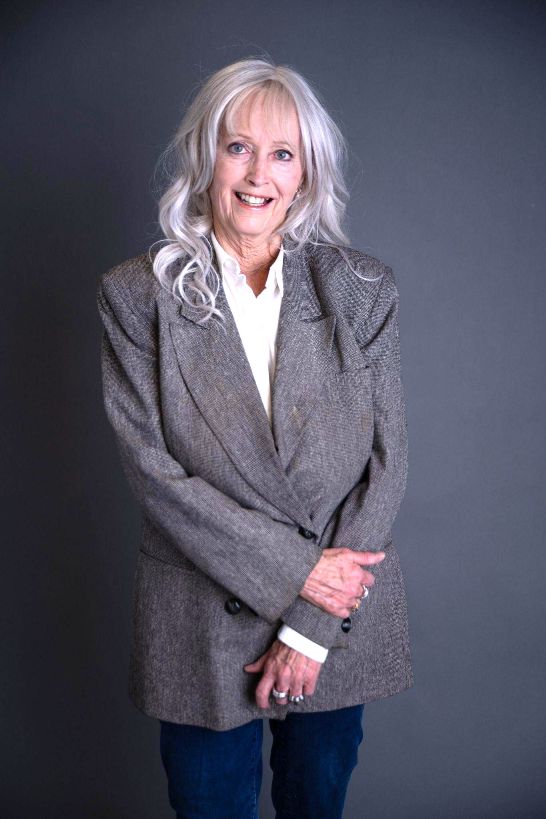
Dr. Deborah Hill spent years building a respected reputation in Los Angeles as a chiropractor specializing in conditions that resisted conventional treatment. As director of West Burbank Chiropractic Center in the Verdugo Hills, she became known for treating severe arthritis, frozen shoulders, and chronically immobile joints — often in patients who had been told they’d simply have to live with the pain.
Through sustained clinical work, she developed Myoprobe Therapy®, a precise hands-on technique that restored range of motion and provided meaningful relief from chronic pain without drugs or surgery. Patients who arrived discouraged frequently left with renewed capability and genuine hope.
As part of their recovery, these patients were taught mind-body strategies to help manage discomfort — techniques for modulating the nervous system’s response to pain. These tools worked well. What nobody expected was what happened next.
Patients began returning to follow-up visits noticeably lighter. Not slightly lighter — some had lost 10, 15, even 20 pounds between appointments. When asked what they’d changed about their eating habits, the answer was consistently: nothing intentional. They simply felt less driven to overeat.
Rather than chalk this up to coincidence, Dr. Hill investigated the pattern methodically. What she uncovered was a transferable principle: the same neurological control mechanisms she was teaching patients to access for pain management could be redirected toward eating behavior.
That insight became the foundation of the Shield Method — a system that teaches people how to activate the brain’s built-in capacity for calm, automatic self-governance and apply it specifically to food.
One of the first participants to complete a structured trial lost 22 pounds in two months. She described the experience not as dieting, but as something she called emotionally healthy and easy. Many participants felt an intense, almost startling joy the first time they stopped eating midway through a meal and realized they felt entirely satisfied. What started as a chiropractic practice dedicated to physical pain relief quietly evolved into something with far broader implications: a method for releasing people from behavioral patterns they had long believed were beyond their control.